
DNA sequences of seven Sundarbans aquatic species to enter GenBank
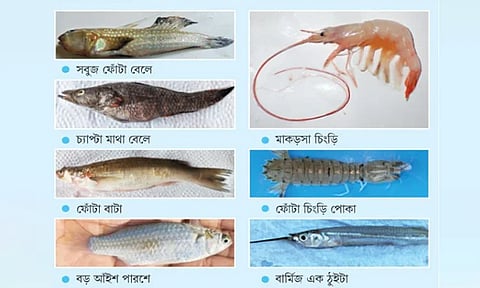
DNA sequences of five fish species and two shrimp species newly documented in the Sundarbans are set to be submitted to the international GenBank database, marking a significant step in biodiversity research and conservation in the world's largest mangrove forest.
The inclusion of the genetic data in the US-based database will help establish the species' genetic identities internationally and support further research into the Sundarbans' aquatic biodiversity.
The findings of a 16-month study titled “Assessment of Aquatic Resources of the Sundarbans” will be handed over to the Forest Department at a final project workshop in Dhaka next month, in the presence of the forest and environment minister. The DNA sequences will subsequently be submitted to GenBank through the department.
The study was jointly conducted by the Centre for Natural Resource Studies (CNRS) and the Arannayk Foundation under the government's Sundarbans Protection Project. Its draft findings were presented at a recent event in Khulna.
The research team surveyed 65 rivers and canals across the forest's four ranges between March 2024 and June 2025. It also conducted boat surveys covering 424 kilometres inside the forest and collected data from fish landing centres in Shyamnagar, Koyra, Mongla and Sharankhola.
Dr M Enamul Haque, head of the research team and a former director of the Bangladesh Fisheries Research Institute, told BSS that the team had prepared DNA sequences of the seven species for submission to GenBank.
“As the matter falls under the jurisdiction of the Forest Department, the research findings will be handed over to the department at the project's final workshop in Dhaka in November. The sequences will then be submitted to the international database through the government,” he said.
Haque said DNA sequences of 141 fish species from the Sundarbans had previously been added to GenBank through research conducted by Sher-e-Bangla Agricultural University in collaboration with South Korean researchers and the Forest Department.
As part of the latest study, researchers developed DNA barcodes for 30 fish species and 11 crustacean species. An analysis of 83 fish samples identified five fish species and two shrimp species whose genetic sequences had not previously been recorded in international genetic databases, according to the findings.
The five fish species are large-scale mullet (Planiliza macrolepis), keeled mullet (Crenimugil seheli), Burmese halfbeak (Dermogenys burmanica), flathead goby (Butis humeralis) and green-spotted goby (Acentrogobius viridipunctatus).
The two shrimp species are spider shrimp (Cloridos scorpio) and spotted shrimp (Nematopalaemon tenuipes).
The study assessed aquatic resources, breeding seasons and the effects of climate change across the Sharankhola, Satkhira, Khulna and Chandpai ranges of the Sundarbans.
Of the four ranges, Sharankhola recorded the highest species diversity, with 164 species.
The survey confirmed the presence of 251 fish species and 51 crustacean species in the areas studied. Combined with findings from previous research, the total number of documented species in the Sundarbans stands at 382 fish species and 88 other aquatic animal species, including shrimp, crabs, snails, oysters, octopuses and squid.
Researchers used morphological identification and molecular analysis based on mitochondrial gene sequencing to examine 83 fish samples and 28 crustacean samples. They developed DNA barcodes for 30 fish species and 11 crustacean species, covering 41 species in total.
The sequences showed between 98.19% and 100% similarity with reference sequences in international genetic databases, the report said.
Researchers warned that overfishing and illegal practices, including the use of poison in rivers and canals, were threatening natural fish stocks in several parts of the forest.
The study also found that unregulated fishing, the capture of juvenile fish and the use of toxic substances were contributing to alarming declines in commercially important large fish species, including barramundi, croakers and pangasius.
The report recommends introducing catch limits for selected species and reviewing existing fishing restrictions. It also calls for a complete ban on poisoning waterways and using harmful fishing nets.
Researchers have proposed designating ecologically suitable canals, including Khodiyakhali, Atharobeki, Armal and Kagaboga, as protected canals to safeguard breeding grounds and help replenish fish stocks.
The report also stresses the need to create alternative livelihood opportunities for communities dependent on forest resources.
Haque said the Sundarbans' aquatic resources could increase substantially if suitable environmental conditions were maintained and effective conservation measures implemented.
Imran Ahmed, director of the Sundarbans Protection Project and conservator of forests in the Khulna region, said the achievement would further highlight the international importance of the Sundarbans.
He said immediate, short-term and long-term plans were being formulated to protect the forest's aquatic resources in line with the study's recommendations.
Researchers have been working for years to identify fish species in the Sundarbans and preserve their genetic diversity.
During a major DNA barcoding project in 2020–2021, researchers from Sher-e-Bangla Agricultural University and other institutions studied fish, crabs, snails and oysters in the forest's saline and brackish waters.
The project submitted 185 mitochondrial sequences and 59 RNA sequences to international databases, covering around 120 genera and 65 aquatic species, most of them fish.