
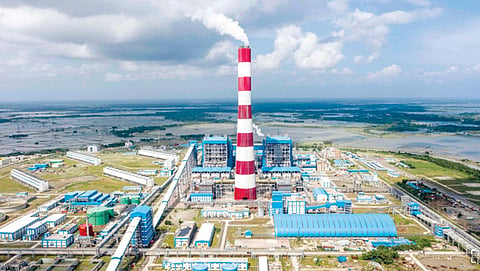
UK complaint targets Barclays over financing linked to Bangladesh’s Rampal coal plant
A formal complaint has been filed in the UK against Barclays over its financial links to Bangladesh’s controversial Rampal coal-fired power plant, reviving scrutiny of the project’s environmental impact on the Sundarbans.
Three complainants from Bangladesh and India have approached the UK government’s Office for Responsible Business Conduct, alleging the British bank breached international guidelines by underwriting companies involved in the 1,320-megawatt Maitree Super Thermal Power Project, commonly known as the Rampal power plant, The Guardian reported Wednesday.
The plant, a Bangladesh-India joint venture, is owned by Bangladesh India Friendship Power Company Ltd (BIFPCL), formed by Bangladesh Power Development Board and India’s state-owned NTPC.
According to King’s Human Rights and Environment Clinic, which is assisting the complainants, Barclays underwrote debt issued by NTPC and also underwrote bond issues for India’s Export-Import Bank between 2016 and 2019. The Indian lender subsequently provided financing for Rampal.
Dhaka-based environmental campaigner Sharif Jamil, one of the complainants, said pollution associated with the plant and surrounding industrial development was entering the Sundarbans through its network of rivers and canals.
“The Rampal power plant is right on the bank of the Pasur River, which is the lifeline of the Sundarbans,” Jamil told The Guardian, adding that the forest’s health was “in trouble.”
A study published last November detected elevated mercury and arsenic concentrations in Sundarbans water samples, with the highest levels recorded in the Pasur River. Researchers identified industrial discharge and port activities among possible sources and described Rampal as a significant environmental threat because of coal-combustion emissions and increased vessel traffic.
The project has faced opposition for years. UNESCO warned during its development that air and water pollution could cause irreversible damage to the World Heritage site. Bangladesh, however, has maintained that the project underwent required environmental assessments and received statutory clearances.
The UK authority will now assess whether to take up the complaint.
Barclays and BIFPCL declined to comment to The Guardian.
--