
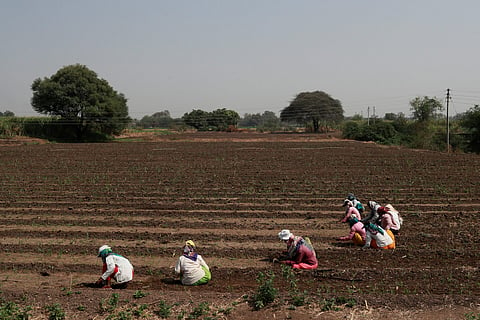
Women in India undergo womb-removal surgery to keep working in sugarcane fields, The Independent reports
Women working as seasonal sugarcane cutters in India's Maharashtra state are facing pressure to undergo hysterectomies, or surgical removal of the uterus, to avoid losing wages and keep working through months of gruelling agricultural labour, according to a report by The Independent.
The report, by Noopur Jambhekar, describes how women from Beed district in central Maharashtra migrate hundreds of kilometres for seasonal work, often living in makeshift camps without proper sanitation or access to clean water.
Many work alongside their husbands for four to five months, cutting sugarcane for long hours every day to repay advances taken from labour contractors.
The women face wage deductions and financial penalties if they miss work because of menstruation, illness or other health problems. Some say they have considered or undergone hysterectomies to avoid menstrual pain and remain able to work.
Poornima, one of the workers interviewed by The Independent, said she was considering the surgery after suffering persistent pain for three years.
“My body itself has become a slave to the system,” she said, describing how even the cost of removing her uterus could force her to take another loan.
Debt traps leave workers with little choice
Sugarcane cutting is a crucial source of seasonal income for many families in Beed, where limited employment opportunities push workers to migrate for agricultural labour.
Contractors, known locally as mukkadams, arrange work with sugar factories and provide advances that workers must repay through harvesting.
Couples, referred to as koitas, are expected to cut around three tonnes of sugarcane a day. Their earnings depend on the amount harvested, while workers who cannot keep pace may face penalties from other members of their work groups.
The pressure leaves women with little room to rest, even when they are ill or experiencing severe menstrual pain.
Another worker, Savita, underwent a hysterectomy in March 2025 after struggling with the physical demands of the job.
She told The Independent that she had fallen three times while trying to load sugarcane onto a truck but could not afford to stop working.
However, the surgery did not bring the relief she had expected. Savita said she continued to experience bleeding and severe pain months later. After travelling to Pune for treatment, she learned that she had an infection.
She also alleged that her request for surgical reports had been refused.
Thousands of women affected
A Maharashtra government committee surveyed 82,309 women in Beed who had migrated for sugarcane harvesting in 2019. Of them, 13,861 had undergone hysterectomies, according to the report.
More than 45% of those women subsequently reported physical or psychological distress.
Women's rights advocate Sangita Chavan told The Independent that some women were directed to private medical facilities for surgery instead of being offered lower-cost treatment options through public hospitals.
Chavan also said some community health workers had acknowledged receiving payments for referring women for hysterectomies. However, the health workers interviewed by The Independent denied knowledge of such practices or receiving financial incentives themselves.
The report described a system in which responsibility is disputed among contractors, healthcare providers and local authorities, while the women affected struggle to access adequate support.
Government measures yet to bring relief
The Maharashtra government introduced measures following concerns about high hysterectomy rates and the conditions faced by migrant sugarcane workers.
In March 2025, the Bombay High Court directed the state government to introduce welfare measures, including better registration of workers and improved access to healthcare and other support.
A follow-up report on the measures was due in November 2025, but had not been published at the time of The Independent's report.
Poornima and Savita said they had received no government welfare support.
Sugarcane contractors, meanwhile, denied forcing women to undergo surgery but said workers could not be given paid days off because reduced labour could affect harvesting and future employment opportunities.
Coca-Cola told The Independent that it had partnered with international civil society organisation Solidaridad to improve access to clean water, sanitation, shaded rest areas, ergonomic tools and menstrual hygiene products. The company said 100,000 people had benefited from the partnership.
PepsiCo did not respond to the publication's request for comment.
For Poornima, the decision remains difficult. She said she continues to suffer from pain and spends around 50,000 Indian rupees a year on pain relief, while surgery could require further borrowing.
She hopes that ending her pain will allow her to continue working and supporting her family.