
Burnham exchanged messages with White House imposter
AI generated summary, newsroom reviewed
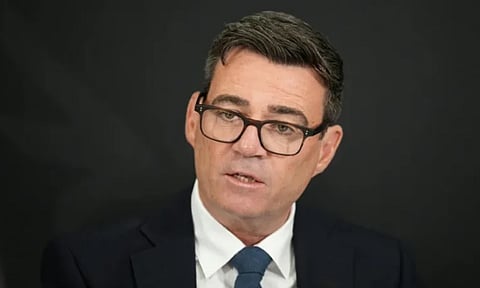
UK Prime Minister Andy Burnham exchanged messages with a person posing as US President Donald Trump's chief of staff, Susie Wiles, in a security breach reported by Politico.
Downing Street has declined to comment on the incident, citing national security concerns.
Officials told Politico that Burnham communicated with the person claiming to be Wiles before becoming suspicious that the contact was illegitimate. Only a few messages were exchanged, the report said.
A UK government spokesperson said: “We do not comment on national security matters.”
It is understood that the communication took place through messages and that Burnham did not speak to the impersonator. Sources said “no messages of significance” were exchanged and that the texts were “quickly reported to the appropriate authorities” once they were considered suspicious.
The incident comes after Wiles' personal phone was hacked in May last year. The BBC previously reported that an impersonator, or impersonators, used her contacts file to message other senior US officials.
Wiles said at the time that her personal phone, rather than a government device, had been targeted. Those contacted included US senators, governors and senior business executives.
Wiles, a key Trump ally, was also among those targeted in 2024 by a cyber espionage unit associated with Iran's Revolutionary Guards, a powerful branch of the country's armed forces.
The incident also echoes a 2024 case involving then-UK Foreign Secretary David Cameron, who exchanged messages with a person posing as former Ukrainian President Petro Poroshenko.
The Foreign, Commonwealth and Development Office confirmed at the time that Cameron had fallen victim to a hoax call involving the impersonator. Cameron also exchanged text messages with the person claiming to be Poroshenko, who served as Ukraine's president from 2014 to 2019.
Cameron had multiple dealings with Poroshenko during his time as prime minister, including meetings at international summits.
The FCDO later made details of the exchange public, citing concerns that the messages could be “manipulated”.